Logo and Brand Identity for Your Business Made With AI
Logo and Brand Kit is a Genosai agent that replaces the first stage of working with a designer. It starts by describing three different logo ideas in plain words, which costs nothing, then draws the idea you choose in three variations, and finally builds a business card, an avatar, a channel cover and a post template in one consistent palette. You finish with a short style sheet that lists your colours, your fonts and the rules for using the mark.
Updated: August 10, 2026
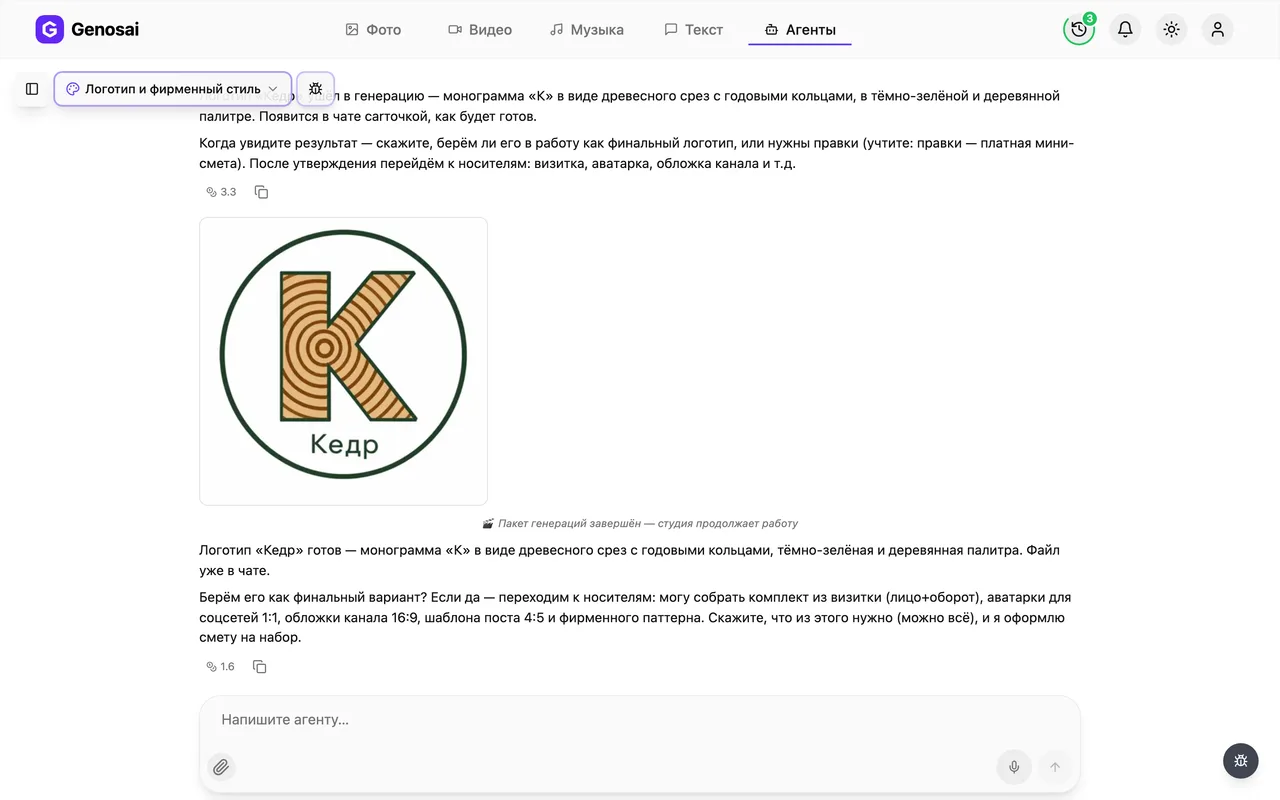
- Three ideas for free — The agent describes three genuinely different logo concepts in words. Credits are spent only on drawing the chosen one.
- Your name spelled right — The brand name is placed on the artwork exactly as you typed it, capitals and spacing included.
- Colours and fonts together — A palette with colour codes and a matched font pair, so everything you publish looks like one family.
- Ready-made brand assets — Business card, avatar, channel cover, post template and a pattern, all built around the approved mark.
- A style sheet at the end — A short memo covering where to find your logo, what spacing to keep and what you must never do to it.
- Quote before any charge — The price appears on a card before generation starts. Nothing is deducted until you press confirm.
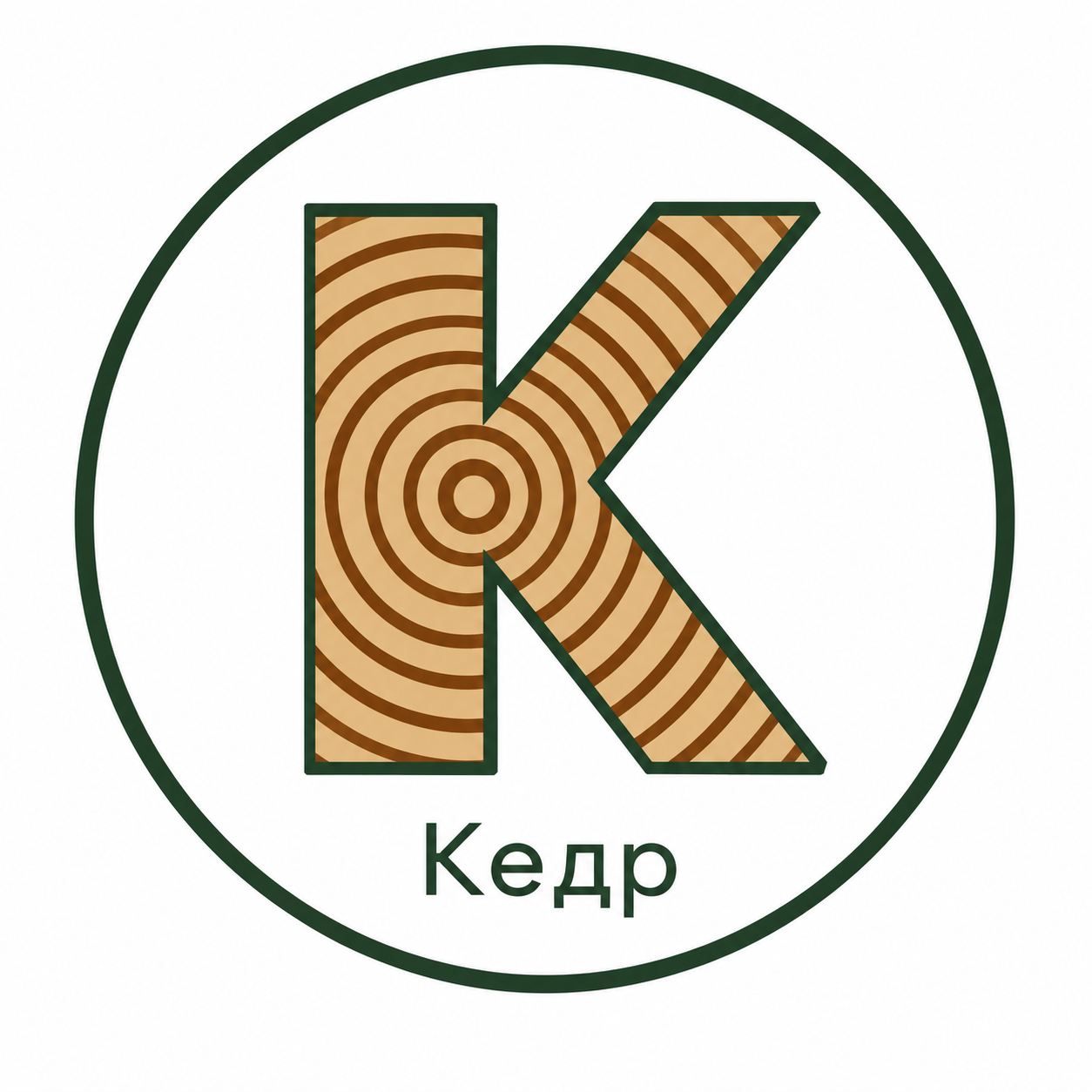
What it produced
Step-by-step guide
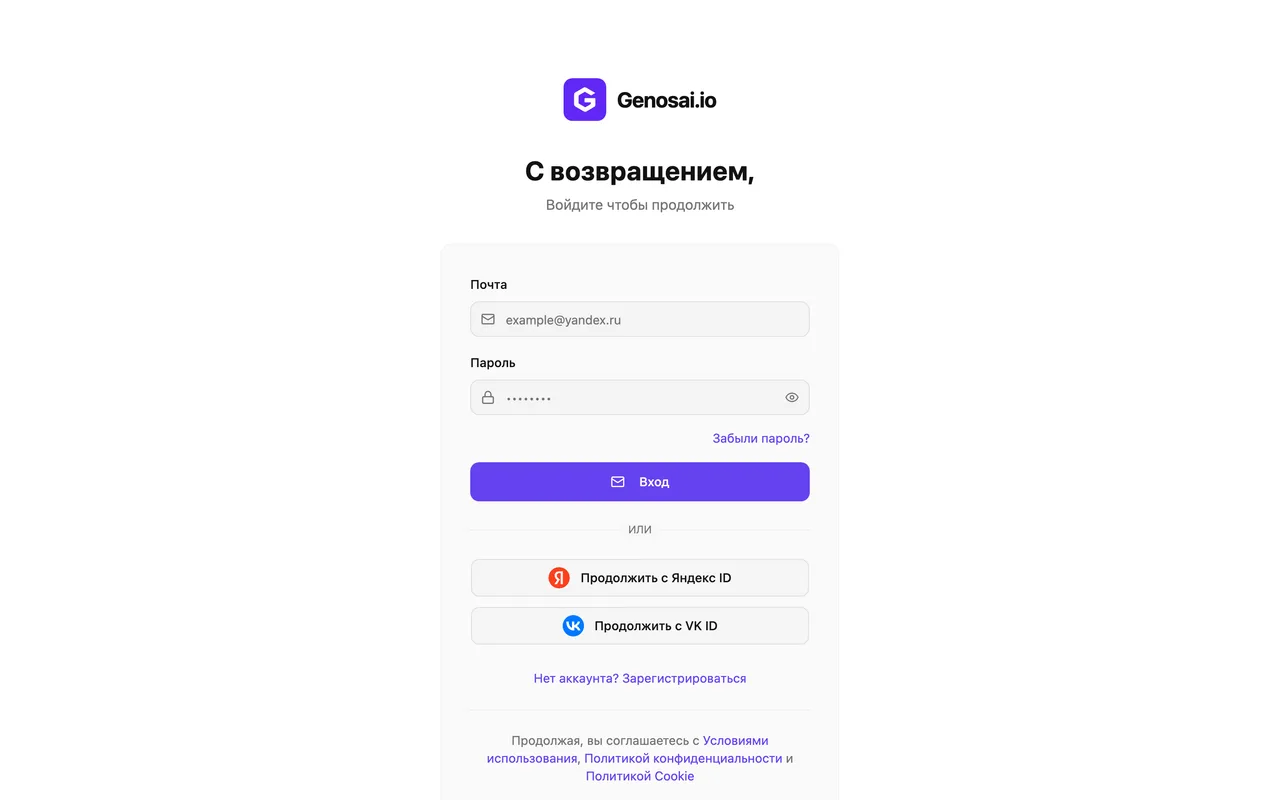
1. Step 1. Register with Genosai
Open the site and press the sign-in button. You can register with an email address or with an existing account in one click. No payment details are requested at this stage.
2. Step 2. Check your credit balance
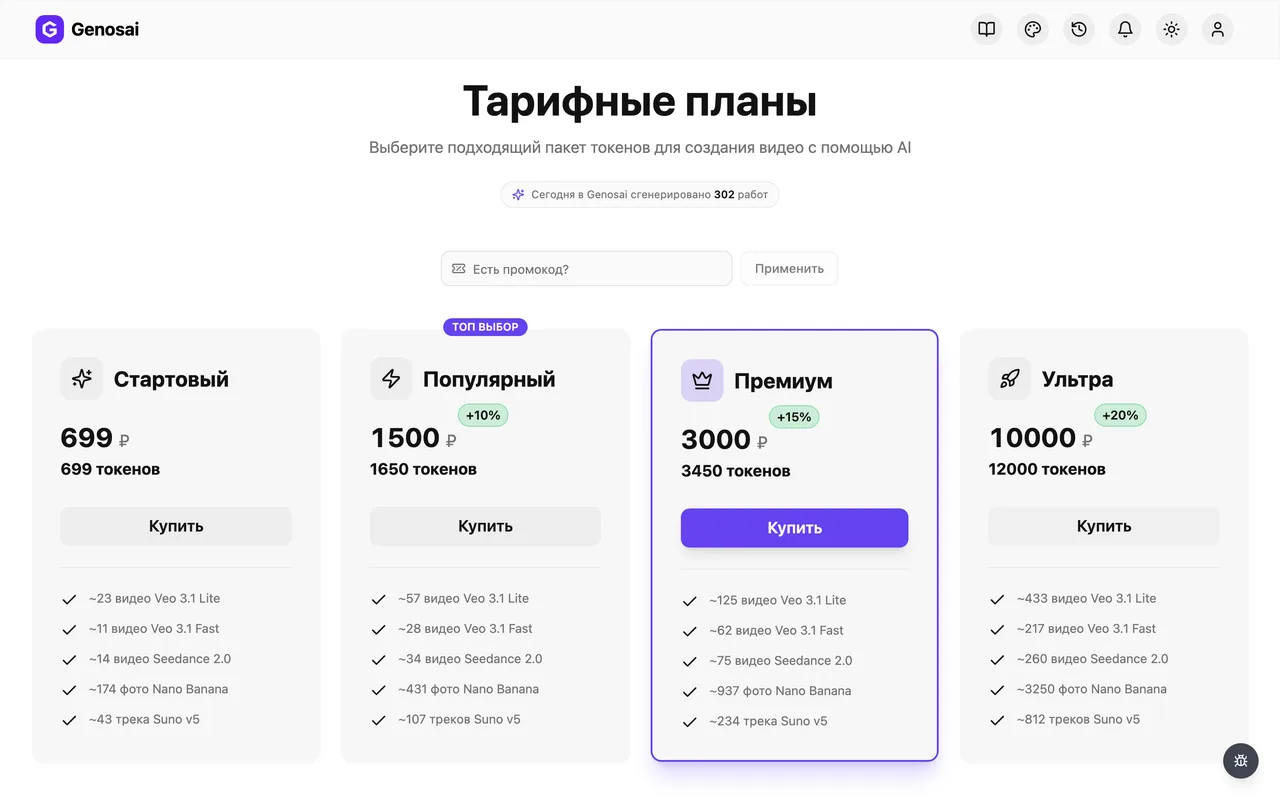
Credits are the internal currency that pays for the work of the neural networks. Open the balance section and see how many you have. New accounts receive a starter amount automatically, and you can top up whenever you like.
Discussing ideas in chat costs almost nothing. Credits go into drawing the pictures.
3. Step 3. Open the studio
Press Studio in the top menu and switch to the Agents tab. The studio is your workspace, where every conversation and every finished file is kept. Nothing is lost when you close the browser.
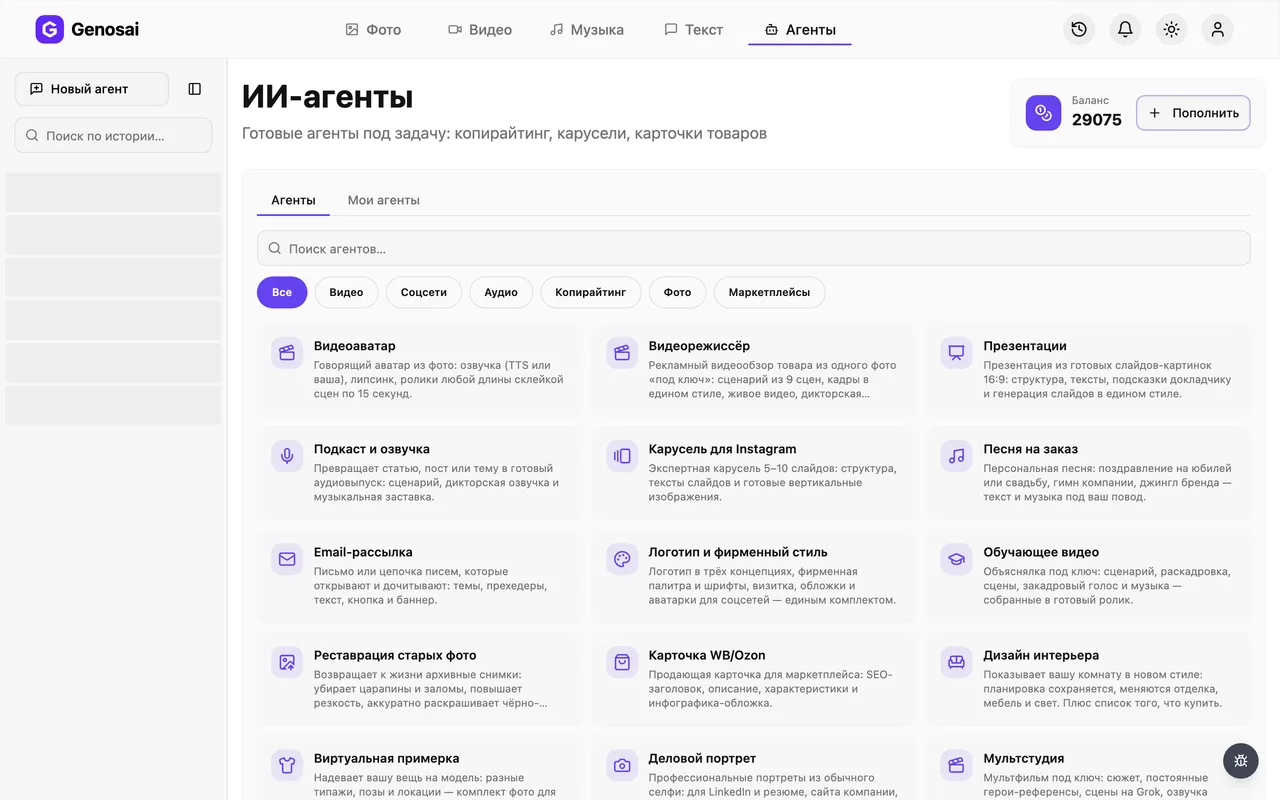
4. Step 4. Find the brand designer
In the agent gallery open the Photo category, or type the word logo into the search box. The card you need carries a palette icon. Click it to open the chat.
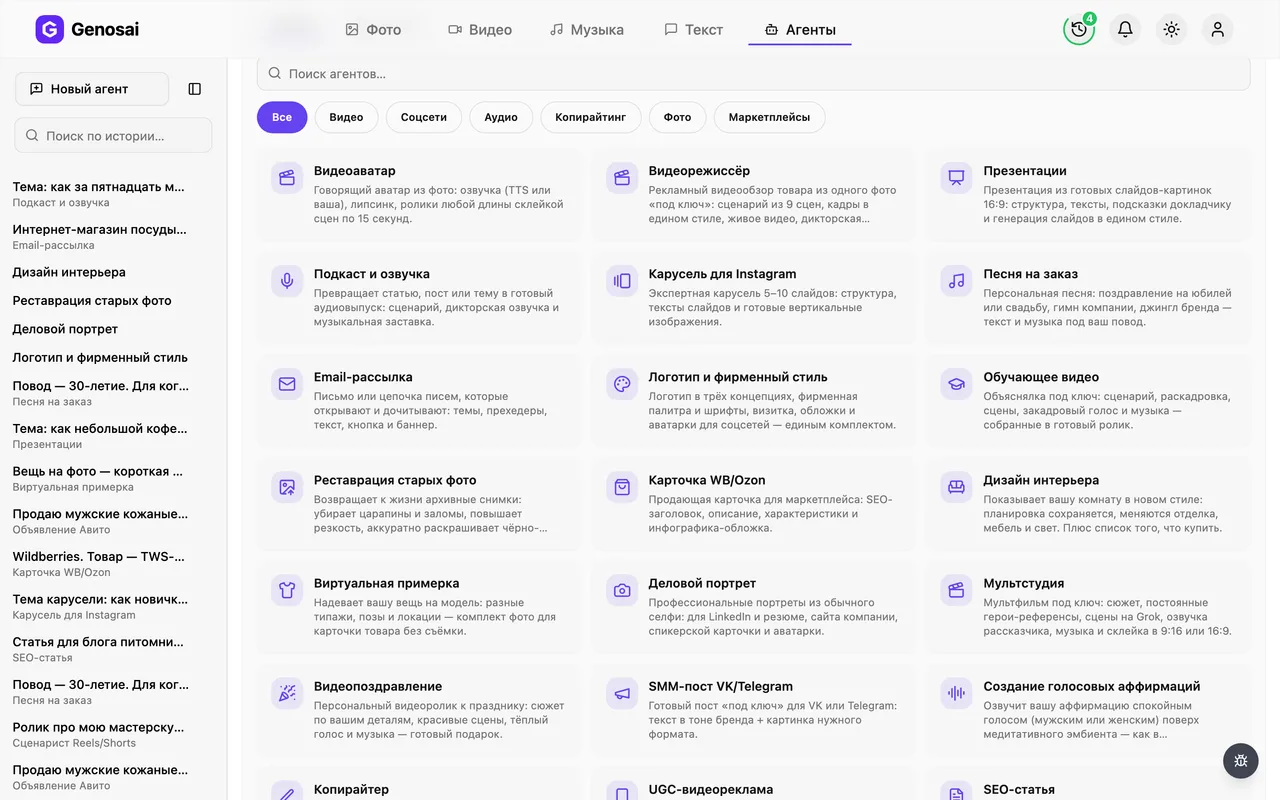
5. Step 5. Read the greeting
The agent introduces itself, explains how the work is organised and asks its first question. Reply in ordinary sentences, the way you would talk to a human designer. Polished wording is not required, only meaning.
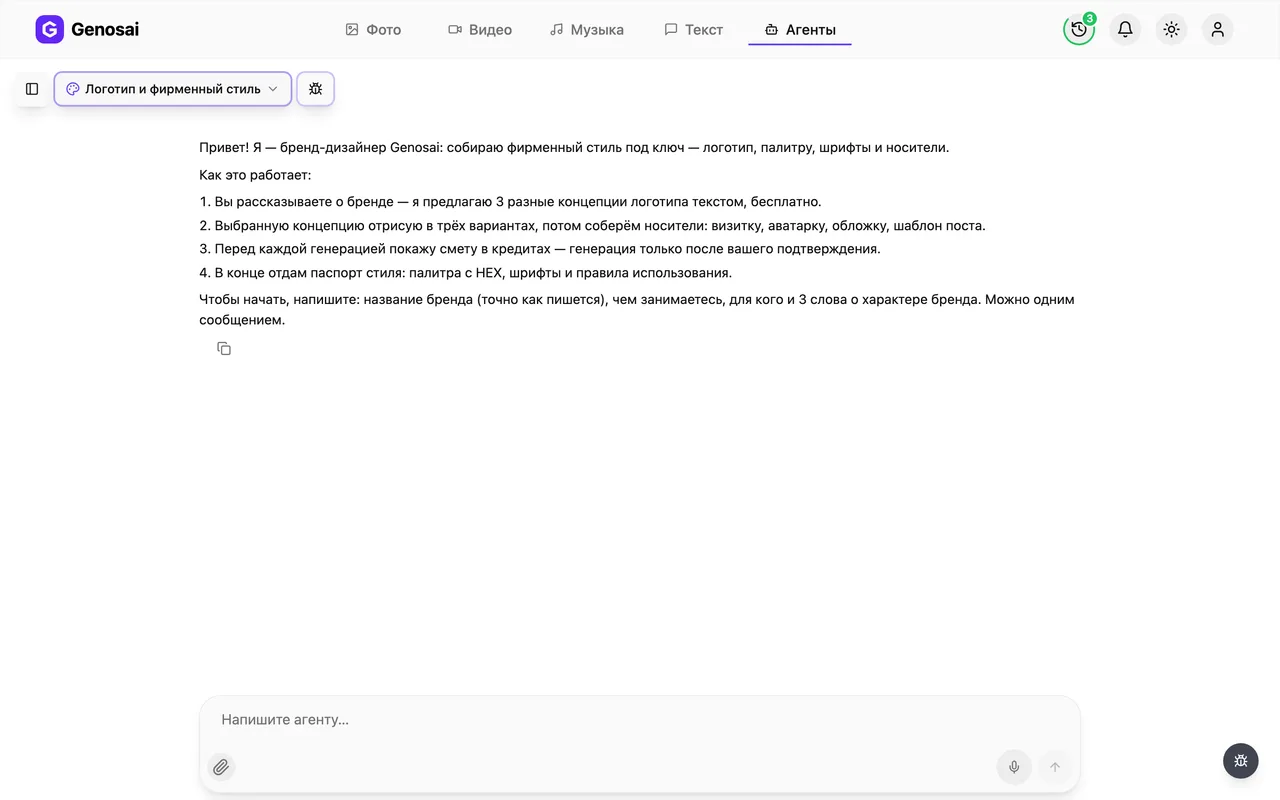
6. Step 6. Describe your brand
Type the exact name as it should appear on the logo, what you do, who your customers are and three words describing the character of the brand. Add which colours you like and which you strongly dislike. All of that fits into a single message.
If you already have a logo or a picture showing the mood you want, attach it with the paperclip.
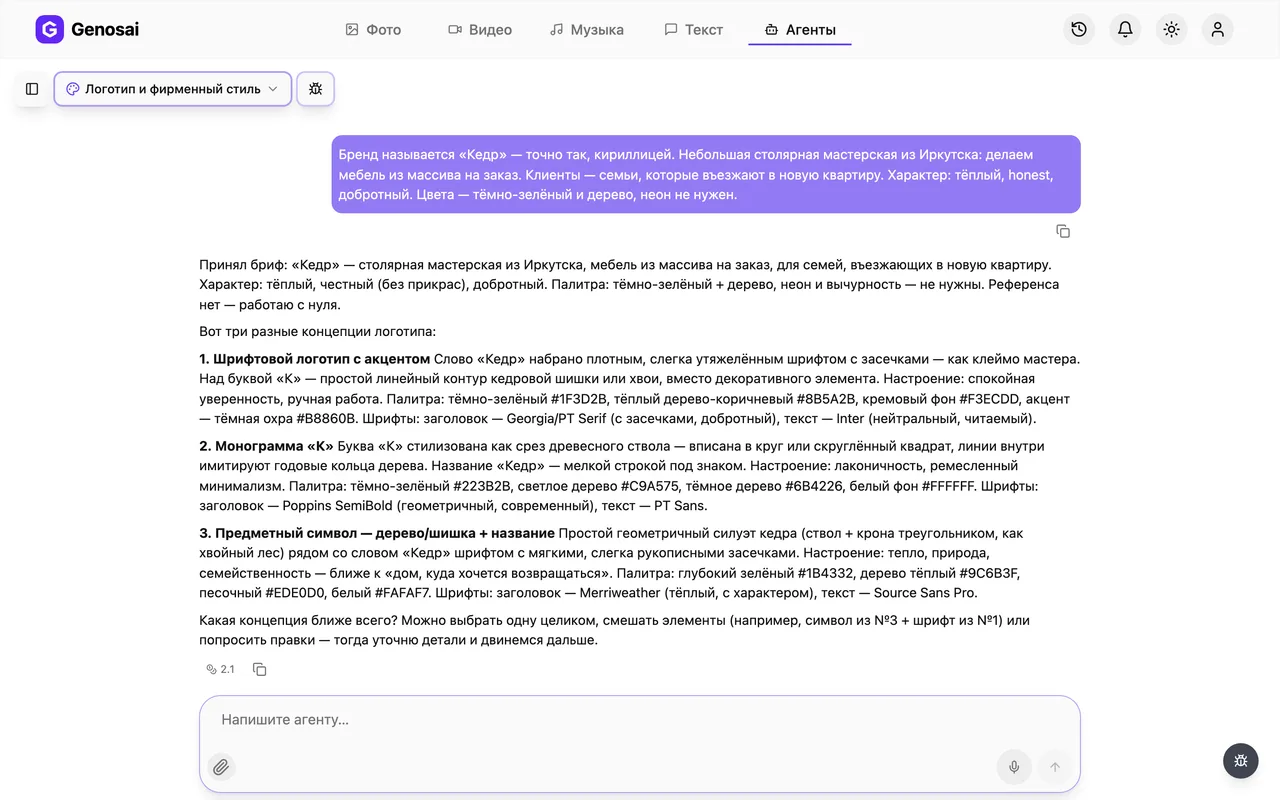
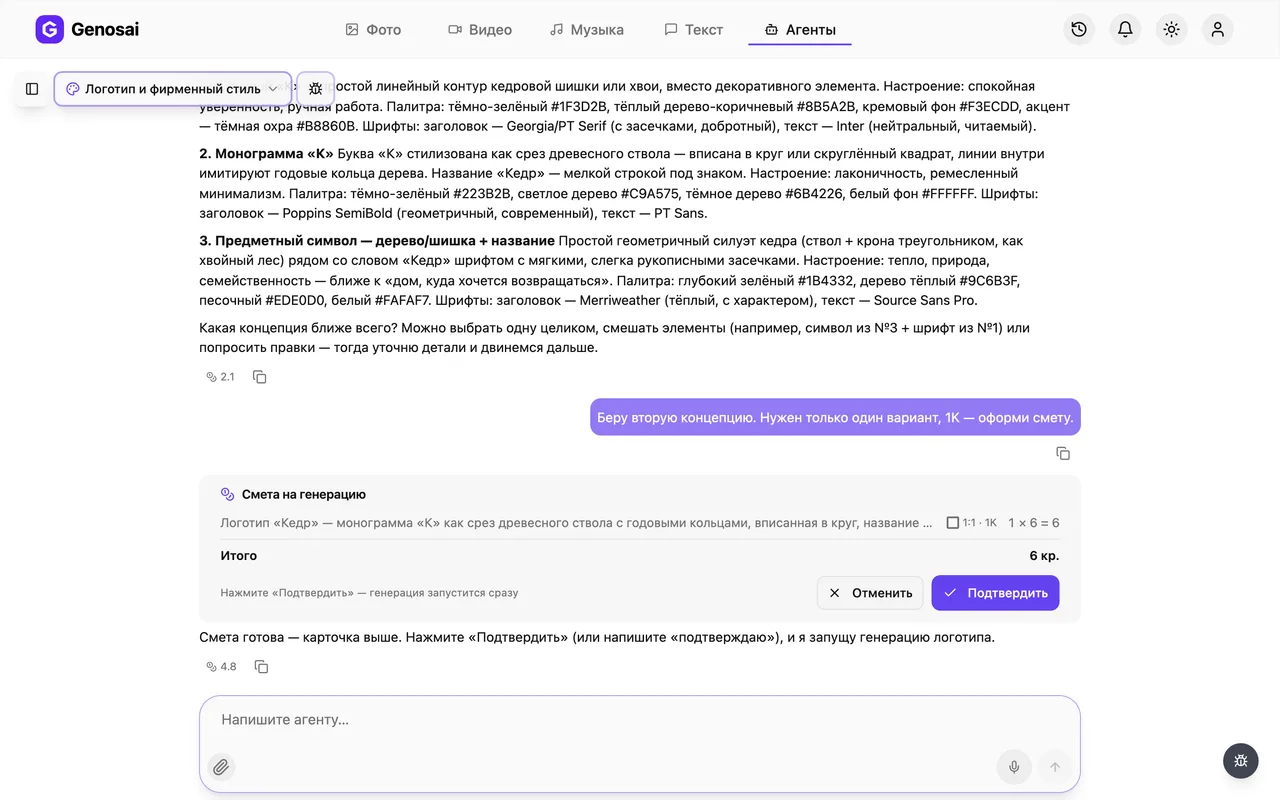
7. Step 7. Choose a concept and confirm the quote
The agent describes three different logo ideas with palettes and fonts, and this step is free. Name the one you like and a quote card appears for drawing three variations of it. Read it and press Confirm, because nothing is charged before that.
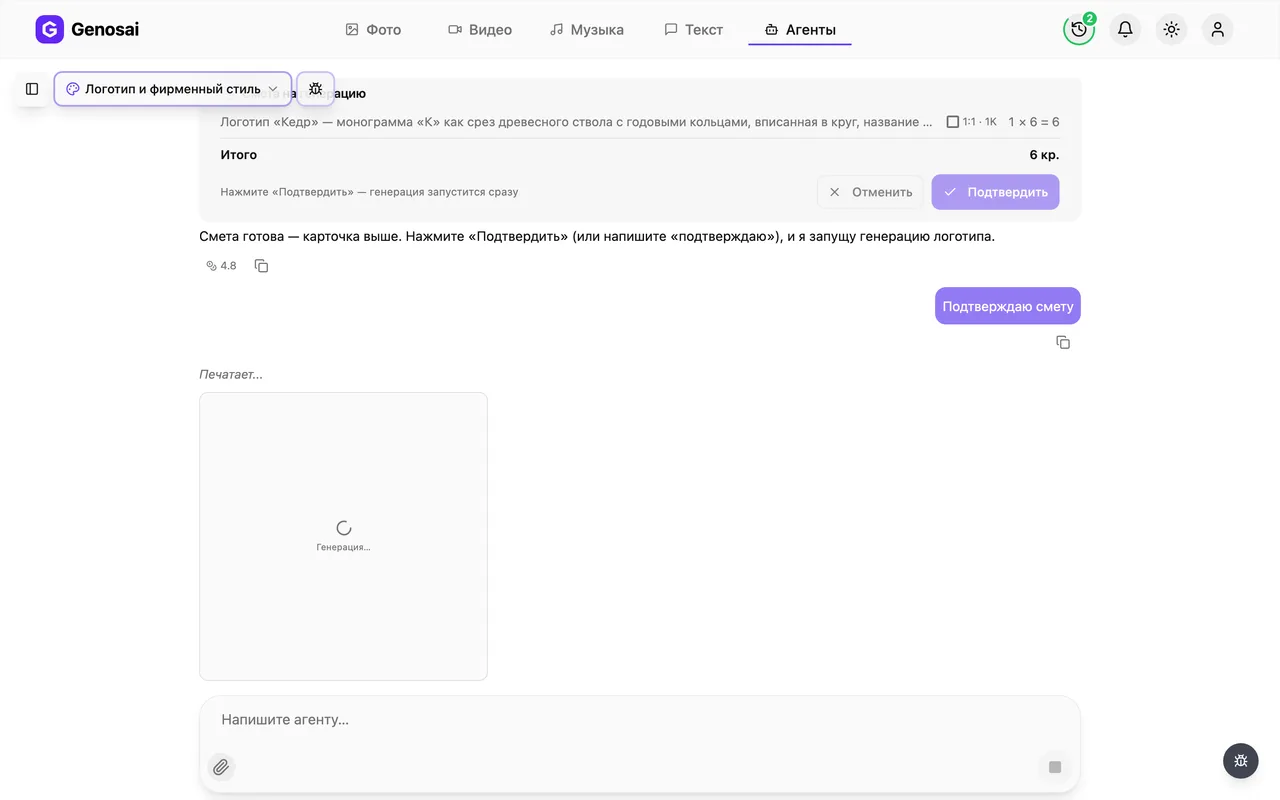
8. Step 8. Wait while it is drawn
Generation begins and tiles labelled Generating appear in the chat, each turning into a logo variation as it finishes. It usually takes one or two minutes. You can close the page, the work continues without you.
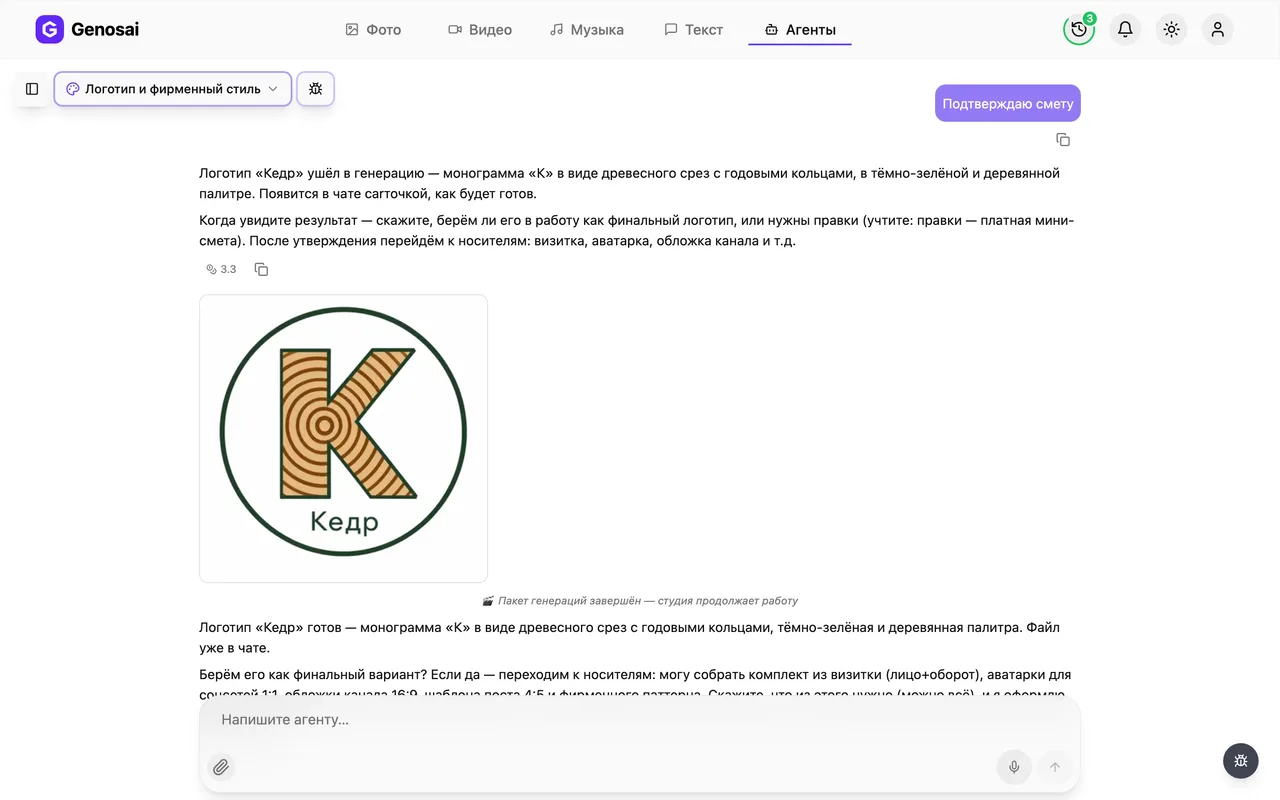
9. Step 9. Collect the logo and the assets
The finished variations arrive as tiles in the chat. Click the one you like to open the full screen viewer, where a download icon saves it. Tell the agent which one you approve, and it offers to build a business card, an avatar and a cover around that same mark, then sends the style sheet with your colours and fonts.
What this agent does
The agent assembles a brand identity piece by piece, in the same order a human designer would, only faster.
It starts with a brief. The agent asks about your name, your field, your audience and the character of the brand. Then it proposes three logo concepts in plain text: what kind of mark it would be (a wordmark, a monogram, an abstract symbol or a recognisable object), the idea behind it, the mood, a palette of three or four colours with their codes, and a matched font pair. The concepts always differ in substance rather than being three shades of one thought. This step is free, and it is usually where the whole project is decided.
Next you pick one idea and the agent draws three variations of it. From those you approve the final version.
Then come the assets. A business card with front and back, a square avatar for social profiles, a wide channel cover, a vertical post template and a brand pattern. All of them are built around the mark you already approved, so they come out as one family rather than a pile of unrelated pictures.
The process ends with a style sheet, a short memo listing your colours with their codes, your fonts, spacing rules and the things you must never do, such as stretching the mark or placing it on a busy photo.
Who it is for
People who are just launching. A new shop, studio or private practice usually has neither a branding budget nor a month to wait. Here the whole kit comes together in one evening.
People who have outgrown a homemade look. If your logo was once made in a free generator and you have quietly disliked it ever since, the agent helps rebuild the identity properly and consistently.
Independent professionals such as coaches, tutors, photographers and therapists. They rarely need a full brand book, but they do need a recognisable avatar, a cover and a post template that clearly belong together.
Small teams that need to dress up a new product, a new direction or an event quickly, without pulling a designer off their main work.
What to prepare in advance
Preparation takes about ten minutes and consists almost entirely of answering questions about yourself.
Write down the exact brand name as it should appear on the logo, with capitals where you want them and with or without a space. That is the literal string the model will reproduce letter by letter.
Sum up in one sentence what you do and for whom. "A coffee bar next to the station for people grabbing a cup on the way to work" is far more useful than simply "a coffee shop".
Pick three words for the character of the brand. Strict, technical, premium. Or warm, homely, handmade. Those three words shape most of the visual outcome.
Decide separately which colours you like and which you refuse outright. If you have a picture with the right mood, or an old logo, attach it in the chat with the paperclip.
And check your credit balance so you do not stop halfway through.
A real conversation walkthrough
Here is how an actual exchange runs, from the first message to a finished kit.
You: The name is written as Quiet Garden. It is a small ceramics workshop, we make handmade tableware. Our buyers are women aged 30 to 45 who value calm and comfort at home. Character: warm, natural, unhurried. I like sand and green, and I definitely do not want bright red or anything glossy.
Agent: Understood. Three concepts to choose from.
First, "Potter's wheel". An abstract mark of concentric circles resolving into the silhouette of a bowl, evoking slow craft. Palette of sand, deep green, warm grey and milk. Fonts, a soft sans for the name and a light serif for supporting lines.
Second, "Leaf on clay". An object symbol, a simple leaf set inside a circle with a clay texture. More about nature than about the workshop itself. Palette of olive, ochre, cream and graphite. Fonts, a humanist sans plus a handwritten signature.
Third, "Wordmark". The name alone, set in a soft serif with slightly rounded terminals and no symbol at all. The calmest option and the one that reads as most expensive. Palette of deep green, sand and white. Fonts, a serif for the name and a narrow sans for details.
Which one shall we take? You can also take one and ask for changes.
You: The third one, but I would like a small icon next to the words, something very simple.
Agent: Noted: a wordmark with a small restrained symbol to the left of the name. I will draw three executions, with different letterforms and different shapes for the symbol. Here is the quote for three images, press Confirm and I will start.
*A quote card appears in the chat with the number of images and the cost in credits.*
You: *press the Confirm button*
Agent: Drawing now, three variations. It will take about a minute.
*A minute later three logos arrive.*
Agent: Done, the files are above. Please read the lettering carefully, letter by letter. Which one do we approve? After that I can build the assets, a business card, an avatar, a channel cover and a post template, all carrying this same mark, under a single quote.
You: I will take the second one. Let us do the card, the avatar and the post template.
Agent: Noted. The logo from the second variation goes into every layout, so the mark will be identical everywhere. Here is the quote for four images: the two sides of the business card, the avatar and the post template. Press Confirm when ready.
Notice that the agent charges only for pictures. Every discussion, every idea, every wording change and the concept selection itself cost nothing.
What it costs
Brand identity has no fixed price, because the amount depends on how many images you order. Three logo variations cost the same as three images, a set of assets roughly four or five. The agent shows the exact figure on a separate quote card before starting.
The written concept stage is entirely free. Chatting with the agent is billed separately and costs very little, while the bulk of the credits goes into drawing.
Most importantly, nothing is deducted before you press Confirm. You can discuss ideas endlessly, ask for other colours and reword the brief, and the counter does not move. If an image fails for technical reasons the credits are returned and the agent reruns only that one.
Common beginner mistakes
A carelessly typed name. If you write your brand in lower case in the brief, it may well appear that way on the artwork. Type exactly the string you want to see.
A brief that is too vague. "Make it beautiful" gives the agent nothing. Those three character words decide more than a long description of your services.
An overloaded mark. Asking to fit a cup, a leaf, a mountain and a sun into one logo almost always produces mush. A good mark reads at a glance from across a room.
Mixing concepts together. A request like "take the symbol from the first, the font from the second and the colours from the third" destroys coherence. Choose one idea and refine it.
Expecting a full brand book. You receive raster artwork and a short memo, not a multi-page document with vector source files.
Skipping the spell check. Neural networks occasionally scramble letters. Read the name on the artwork before you send business cards to print.
Why this beats doing it yourself
Building a logo yourself in a free generator usually produces a recognisable template that a hundred other companies already use, with no system around it. Commissioning a designer solves the problem properly but takes weeks and real money, which a new business often does not have.
The agent covers the middle ground. It gives you not a picture but a set of connected decisions: a mark, a palette, fonts and assets that all grow from one idea. That coherence is exactly what makes a business look established rather than improvised.
The second advantage is the speed of exploring options. Three concepts appear in a minute and you can argue with all of them without feeling guilty about someone else's time. If an idea misses, you say so directly and get another.
The third is transparency. You see the plan and the price up front instead of learning the total at the end.
Which agents pair well with it
A brand identity is a foundation, and the rest sits comfortably on top of it.
Once the logo is approved, go to the Instagram carousel agent to dress your social media in the new palette. Regular publishing is easier with the social post agent for VK and Telegram, and planning a month ahead is the job of the monthly content plan agent.
For business materials, the presentations agent drops your new mark and colours straight onto slides. Website copy, product descriptions and emails come from the copywriter.
If you sell physical goods, the natural next stop is the WB and Ozon product card agent, while showing items on a model is handled by the virtual try-on agent. Founder photos for your about page are produced by the business headshot agent.
Every available helper is listed in the catalogue, so browse all agents when you are ready for the next step.
FAQ
Do I need any design skills
No. You describe your business in everyday language and the agent translates that into visual decisions, explaining every idea in plain words without professional jargon.
How many logo options do I get
First three written concepts for free, and they differ from each other in substance. Then the concept you choose is drawn in three variations, from which you pick the final one.
Will my brand name be spelled correctly
The agent passes your name through word for word and asks the model to reproduce the letters exactly. Even so, always read the text on the artwork before using it, as a letter can occasionally distort.
Do I receive vector files
No, you receive high resolution raster images. They are fine for social media, websites, business cards and most print jobs, but a large sign would still need a vector redraw.
Can I register this logo as a trademark
The service does not check originality and does not file any paperwork. If you need legal protection, show the artwork to a trademark attorney and register it through them.
How much does it cost
There is no fixed price, the cost depends on how many images your order contains. The agent shows the exact amount in a quote before starting, and credits are not spent until you confirm it.
What if I dislike every option
Say in words what went wrong, whether it is too strict, too detailed or the wrong colour. The agent reworks the idea and quotes only for the new attempt rather than the whole kit again.