Order a personal custom song written and recorded by AI
The Genosai song studio writes and records a personal song for your occasion: a birthday, a wedding, a company anthem or a brand jingle. You tell it who the song is for and what makes that person special, the agent writes the lyrics and rewrites them for free until you are happy. Recording starts only after you confirm the estimate.
Updated: August 10, 2026
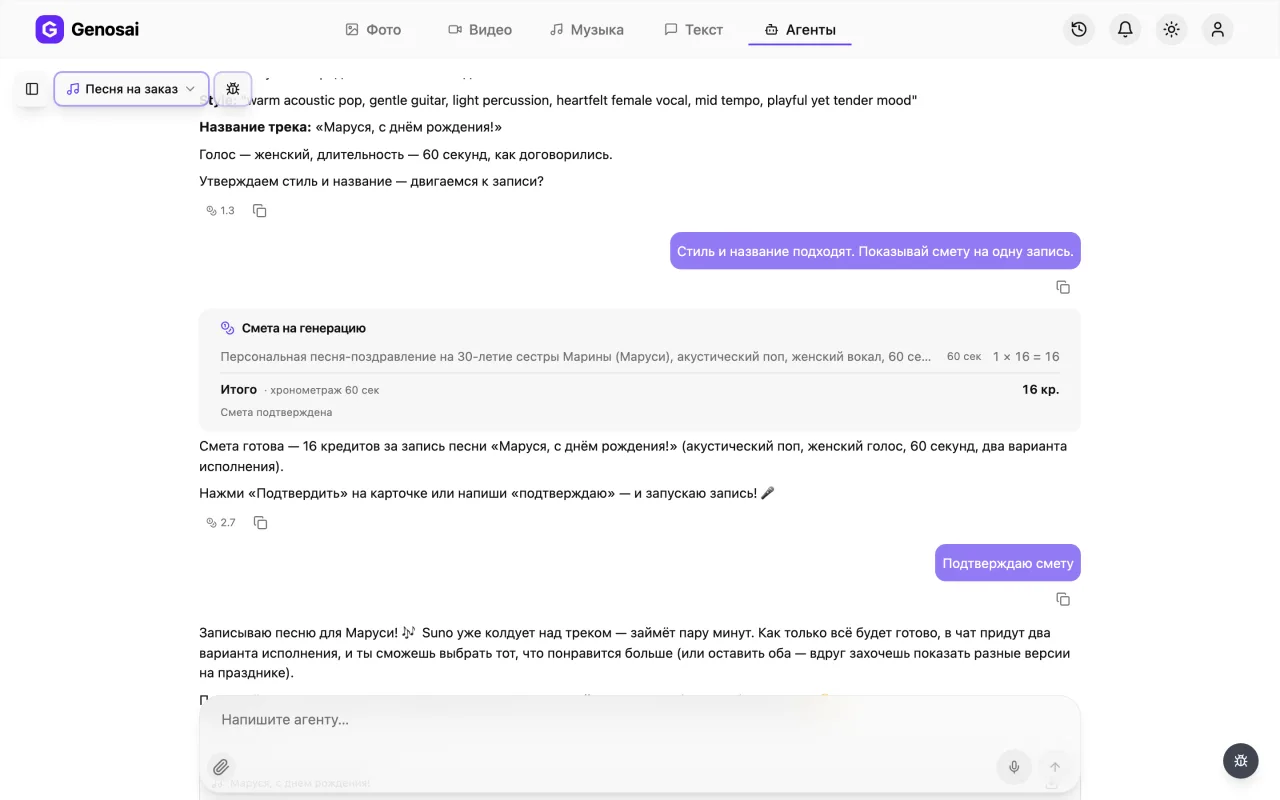
- Free lyrics and rewrites — The agent writes the words and reworks them as many times as you need. You pay only for the recording.
- Any genre and voice — Pop, rock, rap, ballad, disco, folk or a children song, with a male or female vocal of your choice.
- Personal details inside lines — The name, the job, the hobby and the family joke are woven into verses instead of being listed.
- Two takes to choose from — One recording delivers two versions of the same song. You listen to both and download the one you prefer.
- Estimate before any charge — The price appears in a separate card first. Nothing is deducted from your balance until you press confirm.
What it produced
Example output of the Custom Song agent — music 1
Step-by-step guide
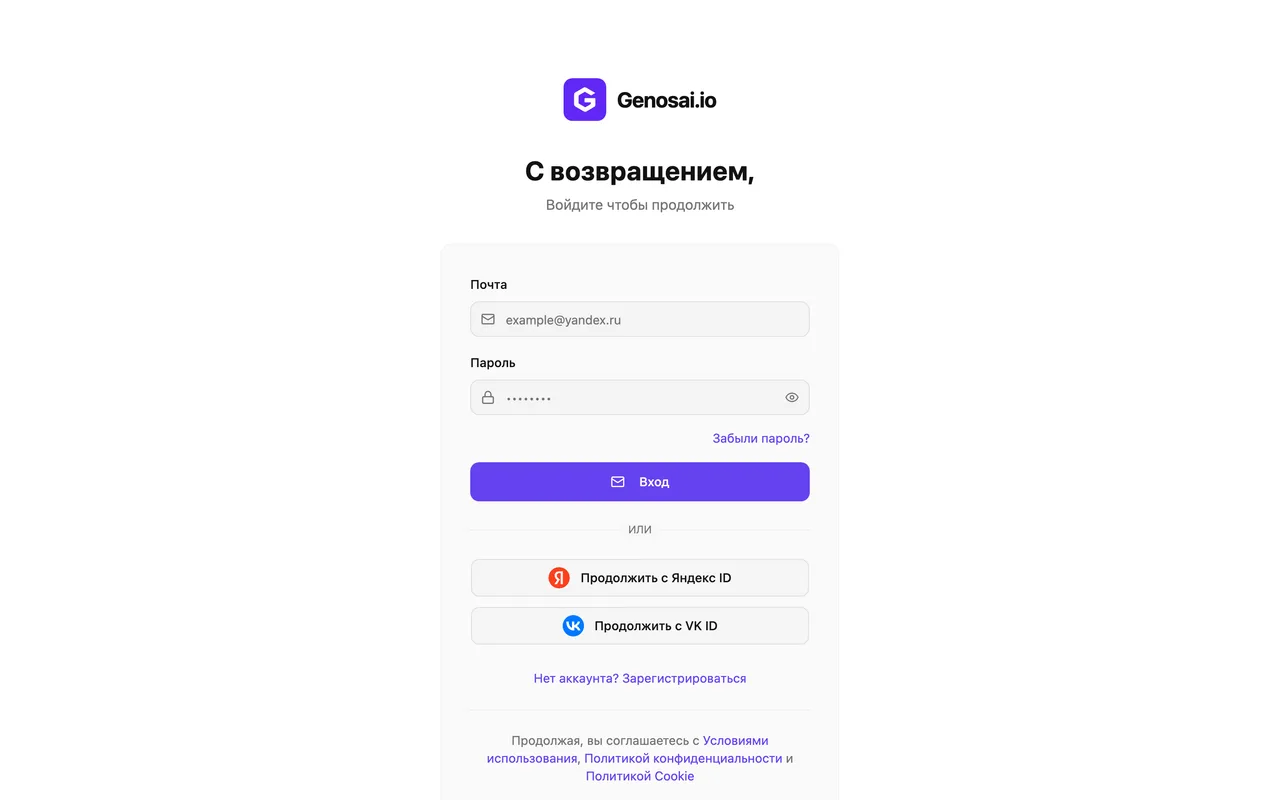
1. Step 1. Create your account
Open the Genosai website and sign up with your email or a one click login. Nothing to install, nothing to configure, it all runs in the browser. Right after signing up you land in your personal dashboard.
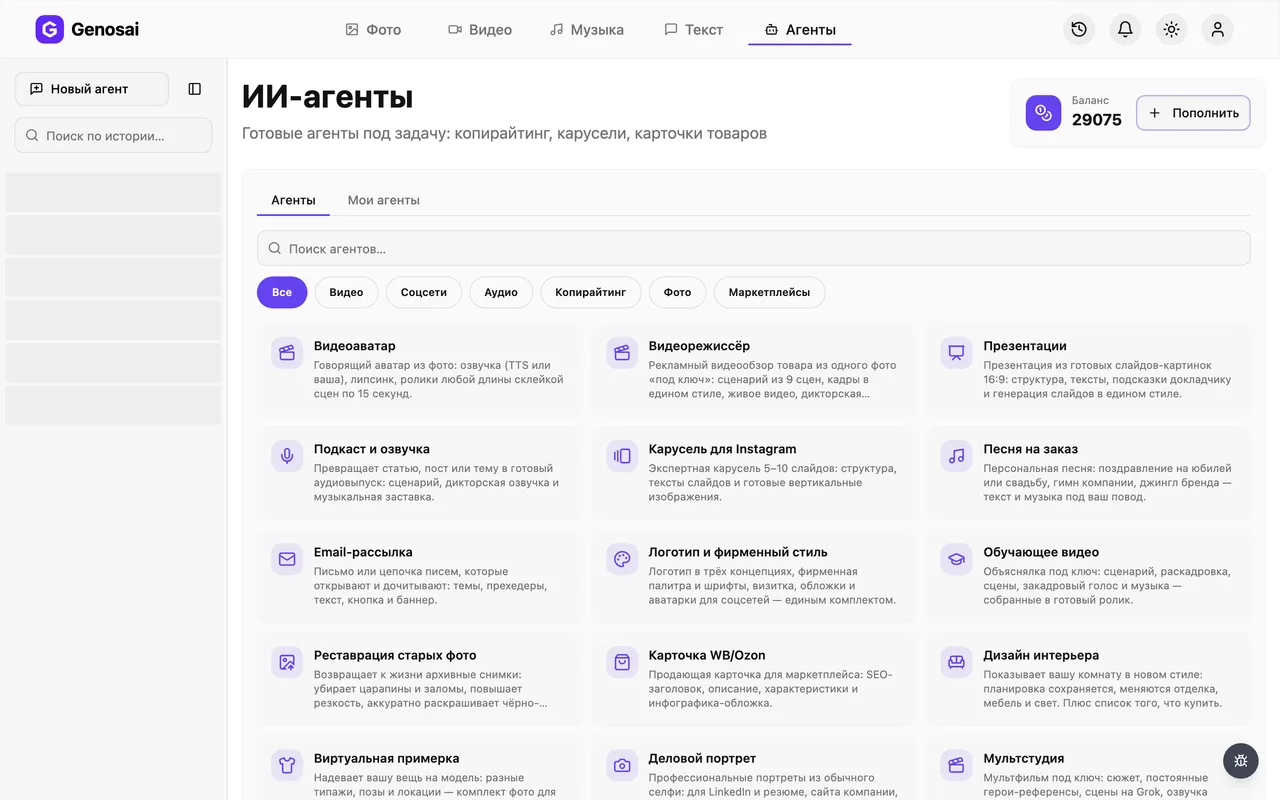
2. Step 2. Open the studio
In the dashboard open the studio section and switch to the agents tab. An agent is a ready made assistant with one profession that already knows what to ask you. Nothing has to be set up by hand.
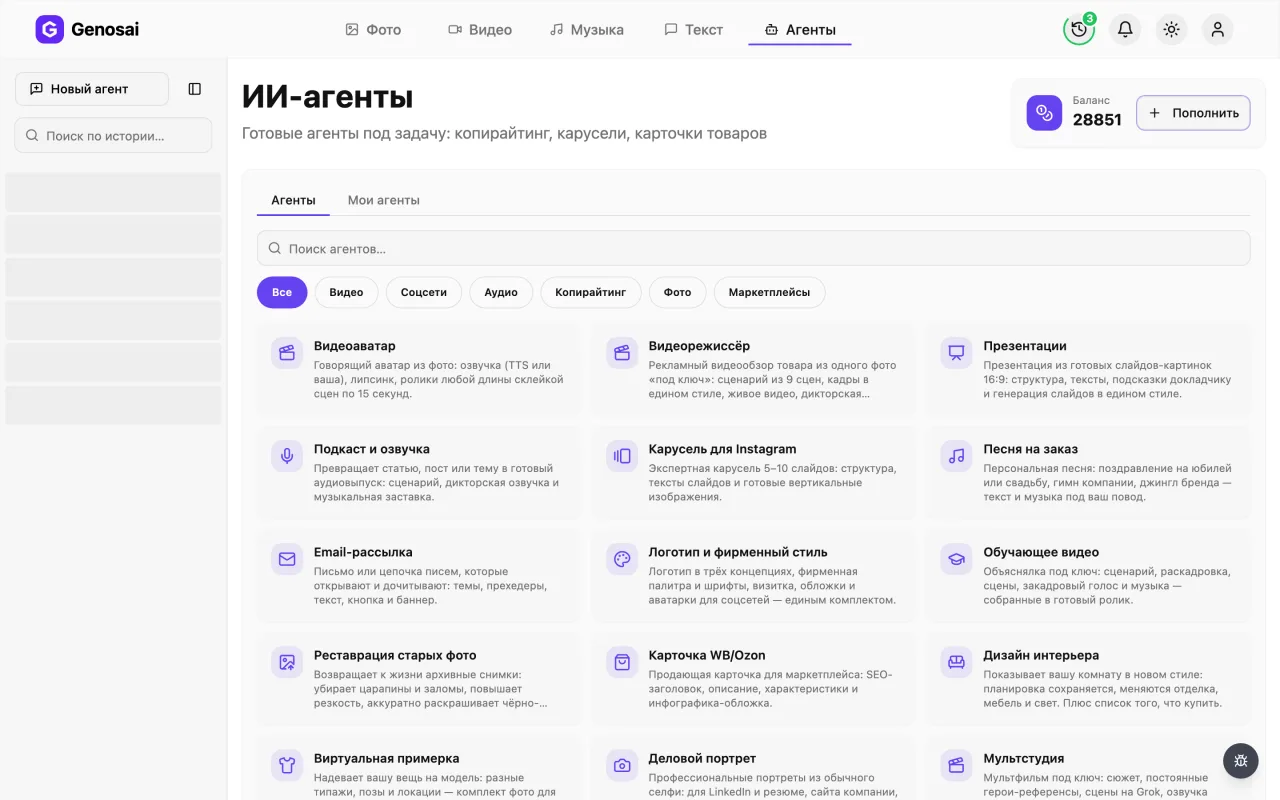
3. Step 3. Find the song studio
In the agent gallery pick the Audio category or type the word song into the search box. Click the card with the music note called Custom Song. A normal chat window opens.
4. Step 4. Read the greeting
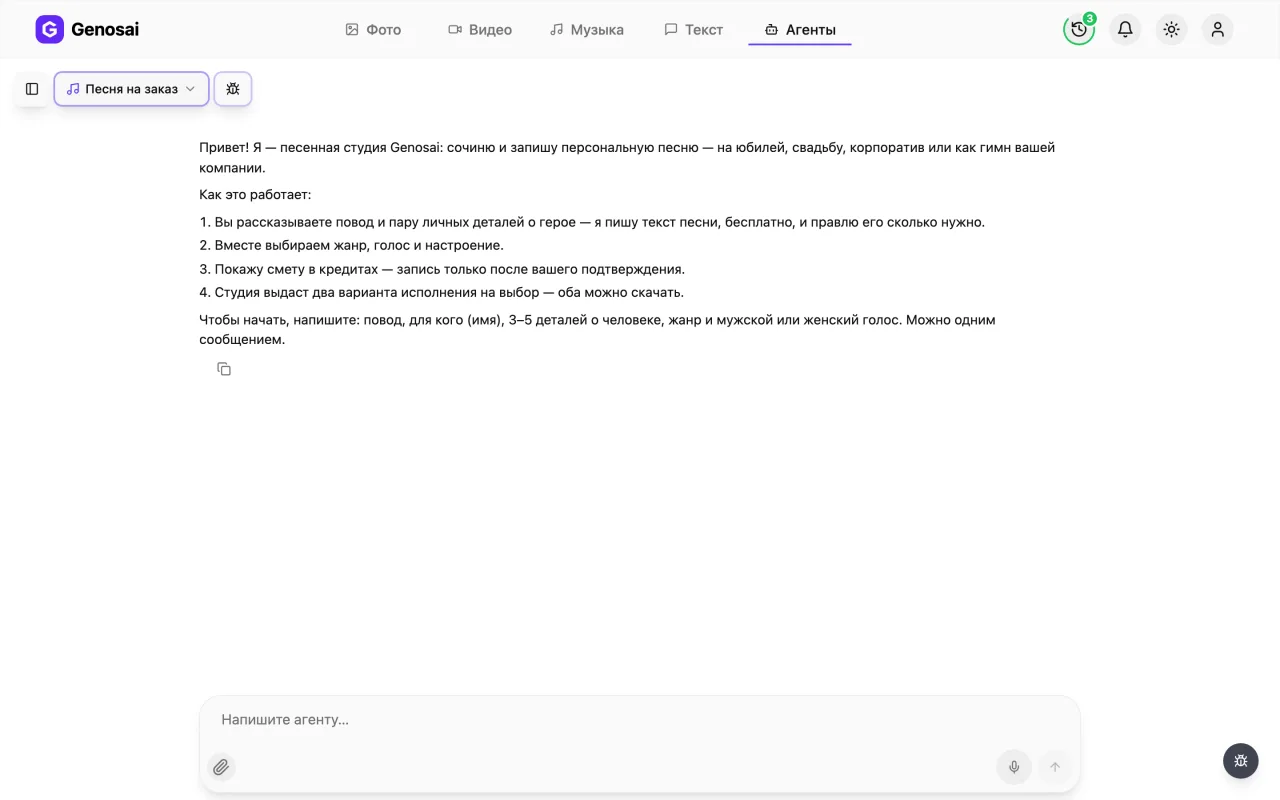
The agent says hello first and explains the order of work in a few lines. It asks for the occasion, the name of the person, a handful of personal details, the genre and the voice. One message in plain words is enough.
5. Step 5. Describe the person
Write what the occasion is and who the song is for, and above all give three to five living details. The job, the hobby, the habits, the running family joke, the reason people love them. Those small things turn a song from a greeting card into a real gift, so do not rush this part.
One concrete detail works harder than ten general words like kind and caring.
6. Step 6. Check your credit balance
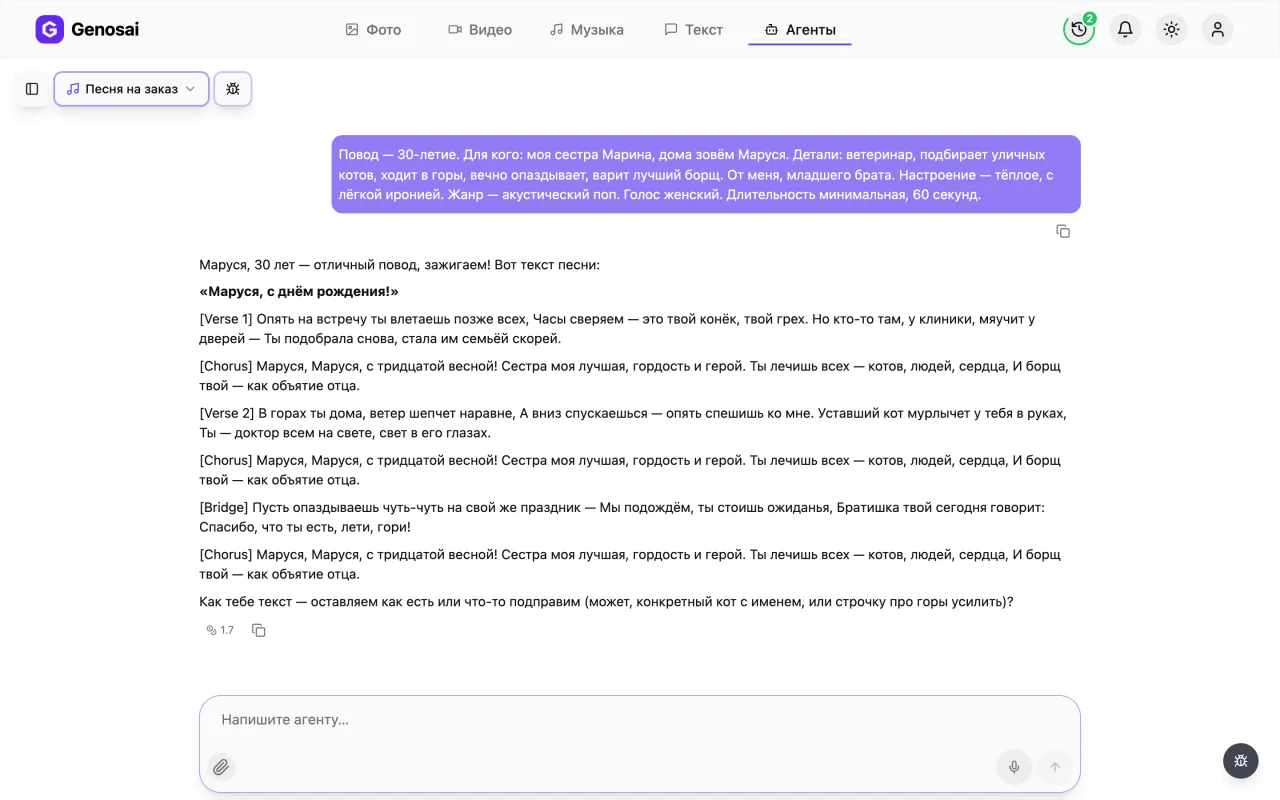
The service runs on credits kept on your account balance. Open the balance section and top it up ahead of time. Chatting and lyrics writing cost pennies, the real credits go into the recording.
7. Step 7. Confirm the estimate
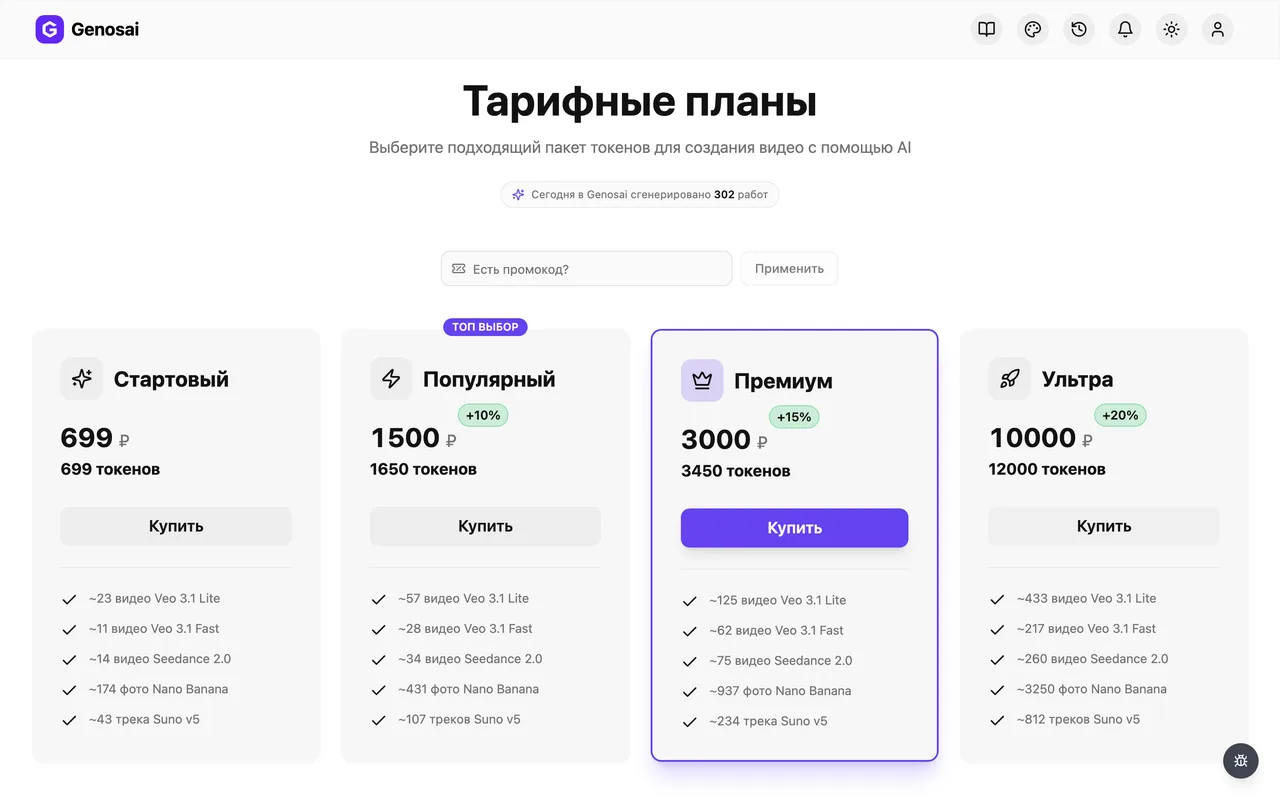
Once the lyrics and the style are agreed, the agent shows an estimate card with the exact number of credits for the recording. Read what it covers and press confirm. Until you press it, not a single credit leaves your balance.
Changing the genre or the voice does not change the price, so the agent will not issue a second estimate.

8. Step 8. Wait for the recording
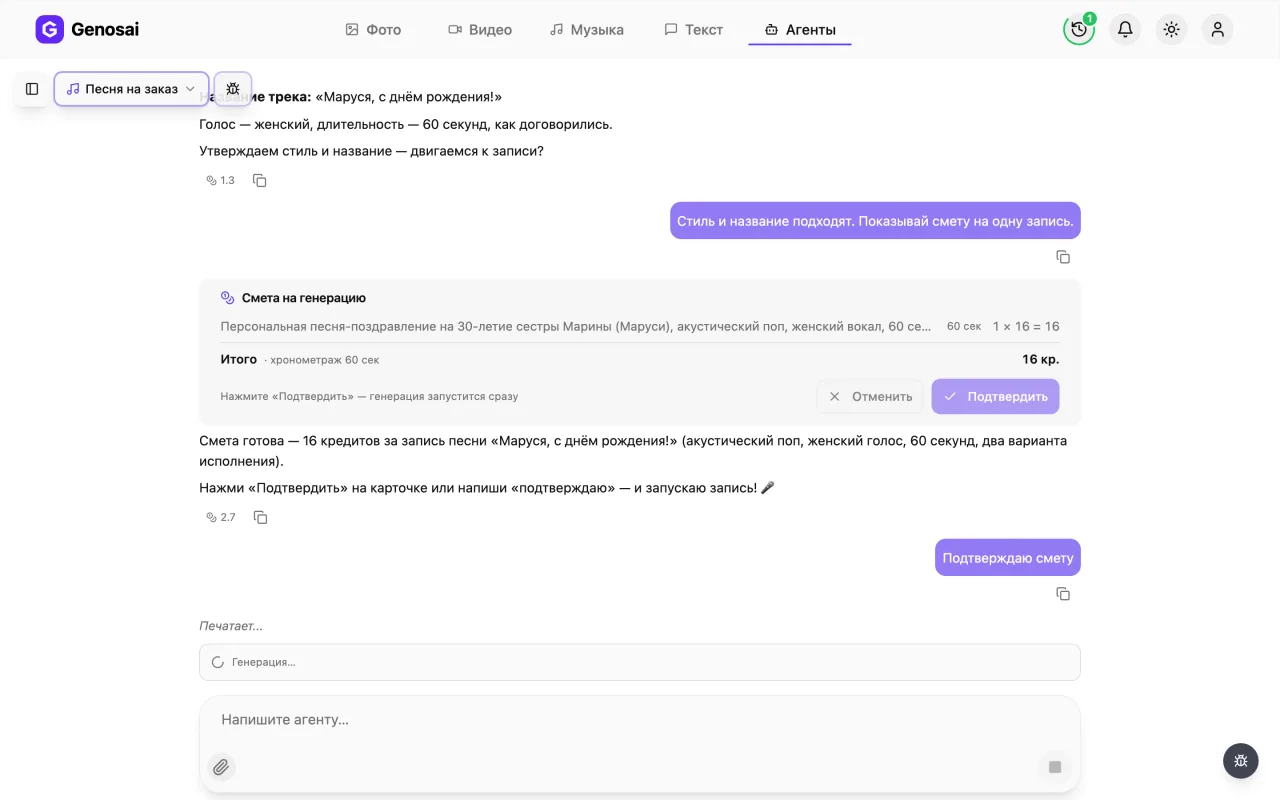
After confirmation the studio starts recording and shows the progress right in the chat. It usually takes a few minutes. You can close the window, the work will not stop.
9. Step 9. Listen and download
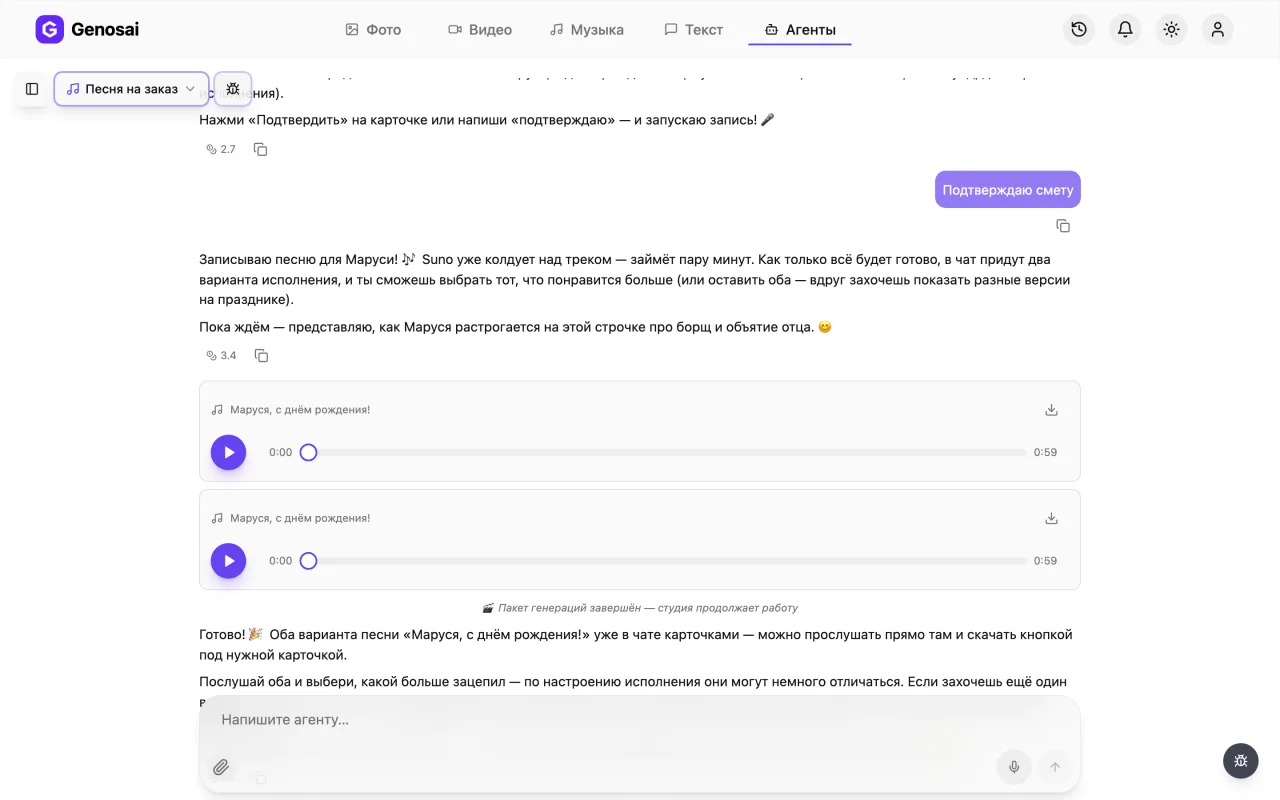
Two takes of the same song appear in the chat. Listen to both, they differ noticeably in mood and arrangement, and download your favourite with the Download track button in the player. The file is ready to send in a messenger or play at the party.
What this agent does
The Genosai song studio is an assistant that turns a story about a person into a finished song with lyrics and vocals. The work happens in three passes, and the first two are free.
First the agent collects a brief: the occasion, the name of the person, a few personal details, the mood, the genre, a male or female voice, the length you want. Then it writes the lyrics, normally two verses and a chorus, with a bridge when the song needs one. Personal details go inside the lines rather than into a list, and the agent makes sure the name is comfortable to sing. You read those lyrics in full and edit them as many times as you like. Only on the third pass, after you confirm the estimate, does the studio record the music and the vocal.
A single recording produces two takes of the same song. They differ in delivery and arrangement, and one of them almost always stands out. Both can be downloaded.
This agent does not make images, video or greeting cards. It works only with words and sound.
Who it is for
The most common reason is a gift. A parent turning sixty, a friend wedding, an anniversary, a graduation, a new year party. A song that names the person and mentions their real habits lands harder than anything you can buy, and costs less than the flowers.
The second big scenario is business. A company anthem for the firm birthday, a song for the staff party, a short brand jingle, a musical farewell for a colleague moving on. Here the free rewriting matters a lot: you can get the lyrics approved by your manager before a single credit is spent.
The third group is people who have never used an AI tool. There is nothing to configure. You simply chat with the agent in plain words, and it leads you through the steps itself.
What to prepare in advance
Nothing needs downloading or filling in, but ninety seconds of thinking noticeably improves the result. Have this ready, in your head or in a note:
- The occasion. A birthday, an anniversary, a wedding, a work party, a company anthem, a confession, or a gift with no occasion at all.
- The name and how people call them. The full name and the version the family actually uses.
- Three to five personal details. The job, the hobby, the catchphrase, the running joke, the reason people love them. This is the most valuable raw material.
- Who the song is from. The family, the team, or one person.
- Mood and genre. Funny, touching, ironic or grand. Pop, rock, rap, ballad, disco, folk, children song.
- Voice and length. Male or female vocal, usually one to two minutes.
If something is missing, that is fine. The agent takes a sensible assumption, states it in one line and moves on, and you correct it if needed.
A real conversation walked through
Below is a shortened version of an actual chat. First what the person types, then how the agent replies.
You: A song for my mother turning sixty, from me and my sister. Her name is Marina, the family calls her Marisha. She taught biology her whole life, lives for her garden and seedlings, feeds everyone constantly and always says "just eat a little something". I want it touching but not sad. Female voice, ballad, about a minute and a half.
Agent: Thank you, that is plenty of detail, I will not ask for more. Here are the lyrics. *(the full text follows: two verses, a chorus and a bridge, with the seedlings, the classroom and that exact phrase woven into the lines)* Read it through. What should I change?
You: Really good, just take the word grey hair out of the second verse, she would not like it.
Agent: Removed, replaced with a line about how she still outruns her grandchildren. Here is the recording style I suggest: warm acoustic ballad, gentle piano, soft strings, heartfelt female vocal, mid tempo. Title: Marisha. Does that work?
You: Yes, record it.
Agent: Here is the estimate for recording the song, in credits. Nothing is charged until you press confirm.
You: *(presses the confirm button)*
Agent: Recording now. *(a few minutes later)* Done, here are two takes. The first is softer and closer to a lullaby, the second has a fuller arrangement. Listen to both and download your favourite with the Download track button in the player.
Notice the key point: the lyrics are agreed before a single credit is spent. And the agent never states a price in the conversation, only in the estimate card.
What it costs
A song has no fixed price. The cost depends on volume, meaning how many recordings you order and how long they run. The agent shows the exact figure in the estimate before anything starts, and nothing leaves your balance until you press confirm.
The rough shape is this. The brief, the lyrics and the style selection are free steps that carry only the token cost of the conversation. The real credits go into the recording, and since one recording already produces two takes, a single estimate usually covers the whole gift. A third take, if you ever want one, is a new generation and a new small estimate.
Changing the genre, the voice or the title does not affect the price, because none of them changes the volume of work, so the agent will not reissue the estimate. A new estimate appears only if the volume genuinely changes, for example a song twice as long.
Common beginner mistakes
Giving only general words. "Kind, warm, loves her family" produces a faceless greeting card. One concrete detail, like a phrase the person repeats every single day, is worth ten adjectives.
Approving lyrics without reading them to the end. Read the words in full, ideally out loud. Edits are free only before the recording, after that you pay for a new generation.
Asking for a song in the voice of a specific artist. The agent will not imitate a real performer. Describe the genre and the mood and the result will feel right while still being yours.
Forgetting to say how the person is actually addressed. A formal full name is hard to sing. The everyday family version almost always sounds warmer and sits better in the melody.
Replying to the estimate with a long sentence. Only the button or a short confirmation word triggers the charge. An enthusiastic "yes, love it, go" is deliberately not treated as consent, so money is never spent by accident.
Ordering at the very last moment. The recording itself takes minutes, but give yourself half an hour of calm time for the lyrics, otherwise the gift feels rushed.
Why this beats writing it yourself
The usual route to a personal song is to find a lyricist, find a musician, explain to both of them who Marisha is and why the seedlings matter, wait for a demo, request changes and pay for studio time. That is weeks of back and forth and a bill nothing like the cost of a few credits. Here the whole path fits into one evening, with exactly one paid step.
The second advantage is freedom to iterate without awkwardness. People feel embarrassed asking a human author for a third rewrite, so they settle for something they do not really love. You can dictate corrections to the agent endlessly, and it costs nothing.
The third is that you do not need to be able to rhyme. Plenty of people try to write a verse themselves, get stuck on line two and end up buying a card. The agent removes exactly that barrier: you supply the material about the person, it turns that into a song.
One sober note: listen to the whole track before you give it away. AI occasionally mispronounces rare names or puts the stress in the wrong place. Catching that beforehand takes a minute, explaining it at the party does not go well.
Which agents pair well with it
A song is rarely the only piece of a gift or a company event.
- Podcast and Voice-over records a spoken greeting or a narrated intro to play before the song.
- Greeting Video assembles a finished holiday clip with its own narration and music when sound alone is not enough.
- Logo and Brand Kit is useful when the song is meant to work as a brand jingle.
- Copywriter writes the warm congratulation text for the card or the post.
- Voice Affirmations is the neighbouring music agent for calm spoken tracks.
- Social Post for VK and Telegram formats the publication if you want to share the song with your followers.
The full list of assistant professions lives in the catalogue of all agents.
FAQ
Is the song performed by a real artist or generated
It is generated. The lyrics, the music and the vocal are all created by AI, with no live musicians involved. That is why it is ready in minutes rather than weeks and costs a tiny fraction of a studio session.
Who owns the finished song
The song is made to your order and you are free to use it personally: gift it, play it at a party, post it on your own social accounts. For commercial use, such as advertising or music stores, check the service terms first, and never present the track as a performance by a real artist.
Can I ask for a song in the style of my favourite singer
The agent will not copy a specific artist or clone a real voice. Describe the mood and the genre instead, for example a warm acoustic ballad or upbeat disco, and the result will feel close in spirit while being your own.
What if I do not like the lyrics
Tell the agent what to change and it will rewrite them. This step is free and you can iterate as many times as you like. Recording starts only after you confirm the estimate.
How long is a typical song
Most people order one to two minutes, which fits two verses and a chorus. Longer is possible too, just name the length you want at the start of the conversation.
Can I get another take
Yes. Every recording already gives you two takes to choose from. If you want a third, the agent will issue a small separate estimate, because that is a new generation.
Am I charged for chatting with the agent
Messages are billed separately and cost pennies. The real credits go into recording the song, and only after you confirm the estimate with the button.